This week in lab we did three main things - 1. made wet mount slides, 2. learned to estimate the size of things we see under the microscope, and 3. examined prokaryotes and eukaryotes under the microscope. There is always a lot to do on lab days, and never enough time! I don't think everyone got to hear about the Vocabulary Challenge, so please read carefully.
1. Wet Mount Slides

Wet mounts are one type of slide. They are quick and easy, which is nice, but they dry out quickly and do not show as many cellular features as stained slides. We will use wet mount slides often, but will also learn hanging drop slides, stained slides, and other slide preparation methods.
2. Estimating the size of things under the microscope
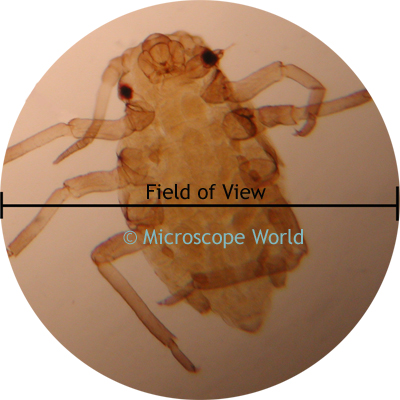
By measuring our field of view, the distance from one side to the other of the circle we see while looking in the microscope, at each level of magnification we can then use this "calibration" to estimate the size of objects we are viewing. This task took much more time than the others, and I am afraid many did not get enough time to understand. We will need this skill for future labs. I found a great interactive tutorial which takes you through this steps of calibrating and measuring. Please do the interactive tutorial. Use of calculators is perfectly acceptable.
Go HERE for the tutorial.
You will know you understand how to measure with the microscope if you can get the final answers of the interactive correct.
3. Prokaryotes vs Eukaryotes

If anyone would like their own "cootie catcher" for reviewing prokaryotes and eukaryotes here is the file.
Vocabulary Challenge


I am issuing a challenge:
By the end of the year transition students need to find 50, and scholar students 100, vocabulary words from your reading for biology class which contain Latin/Greek components. You will keep track of this list of words and their Latin/Greek components and bring it in when complete. Your list should look something like this:
1) hypothesis - a proposed explanation based on limited evidence hypo- (under) thesis (placing)
2) biology - the scientific study of life and living organisms bio- (life) -logy (branch of study)
For your convenience I have included reference sheets with roots/prefixes/suffixes and their meanings listed. See the links at the top of the blog page. There is a yet-to-be-determined reward for completing the challenge before the end of the school year.
Looking ahead to wk 4
Next week's readings are about the components of the cell - organelles. There is also information on cellular specialization - some cells are liver cells, some blood cells, some skin cells, etc - and on the differences between plant and animal cells. I always seem to find more resources each week, and I don't put them all on the blog because I don't want to overwhelm anyone. If there is any topic you don't feel you understand well yet, chances are there is another video or web-based activity out there to help you. You can email me or search the internet to find them (please follow your household rules on internet use - don't just go google something unless you have parent permission).
| Week | RSO | LOE | CK12 BC | CK12 LSC | Other Resources |
| 4 Components of a cell, cellular specialization, plant vs animal cells, stained slide *Project 1 "Cell Model" explained |
Ch. 3 Inside Story | Ch 5.2 Ch 5.3 (Ch 5.4) Ch 5 Review |
2.1 2.4 2.5 2.6 2.7 2.8 2.9 2.10 2.11 |
2.3 2.4 2.5 2.6 |
Inside a Cell worksheet for taking notes about cell structure/organelles as you read Cellcraft: online game where you delve into the world of the cell, learning about how a cell functions while helping it survive in hostile environments Cell Membrane video on structure and function of the cell membrane (this will be helpful for week 6, too) Cells Alive interactive close-up look at the differences between plant and animal cells Crash Course - Eukaryopolis scholar These Crash Course videos move fast and contain a lot. You might watch them before reading, but you will get the most out of them by watching after you have read. |
In lab next week we will work on staining slide specimens in order to better distinguish some of the smaller structures. To be ready for next Thursday, watch this short video on how to mount and stain a sample of cheek cells. We will be doing this and another staining procedure in class.

No comments:
Post a Comment
Note: Only a member of this blog may post a comment.