Wk 12
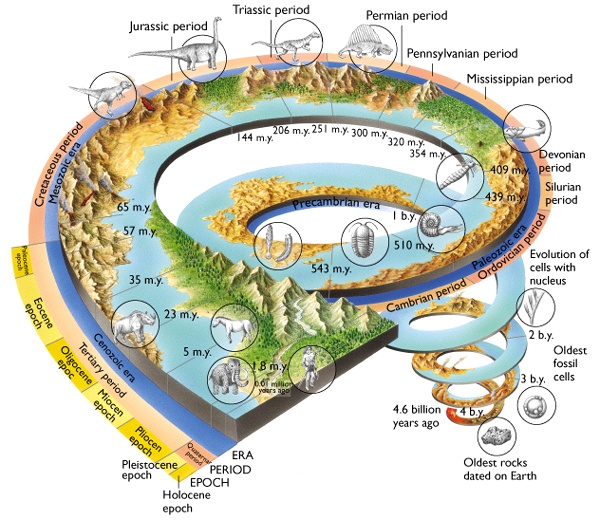
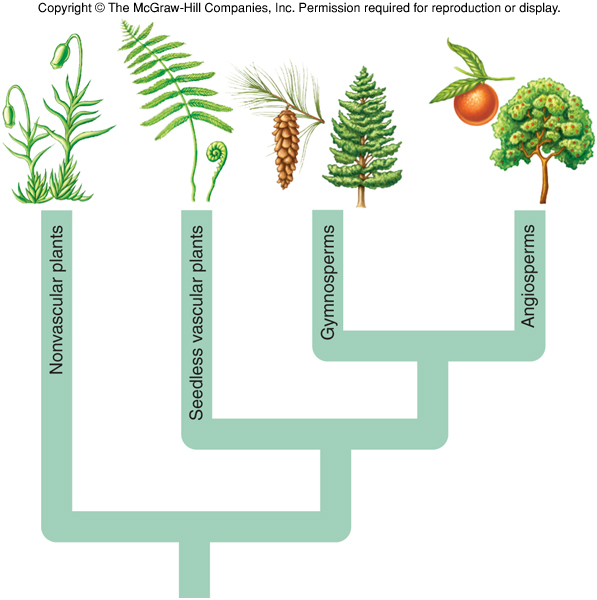
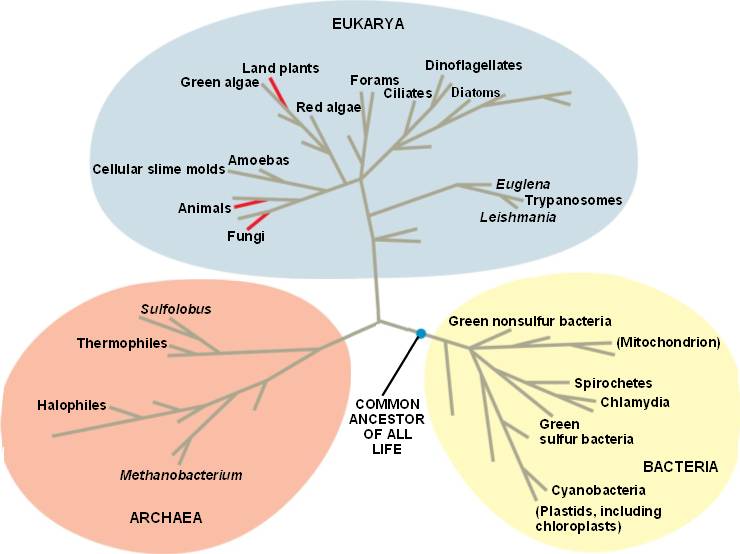
First, I will once again give my apologies for not being in class this week. It was our last week on evolution, and I had recent non-professional scientific articles on evolutionary topics to read and discuss. I hope that you make the extra effort to complete the readings and videos from this week in order to solidify your understanding of the evidences we have for the theory of evolution.
Ecology
This is my favorite topic in biology! I am very excited for these last three weeks!
We are already familiar with levels of organization which begin with the atom and end with the organism, such as the diagram below.

But that isn't the end! Ecology is the area of biology which studies organisms and their interaction with their physical environment. There are levels of organization in ecology, as shown in the diagram below.

- An individual is one organism during its lifetime (example a male elk born in Spring 2011, identified by a distinct golden streak on his neck)
- A population is a group of organisms of the same species all living in the same geographic area at the same time (example a heard of elk in the Western Cascades montane*)
- A community is all the different populations that live together in the same geographic area (example all the elk, fir trees, moose, rabbits, lupine flowers, owls, bears, and beavers of the Western Cascades montane)
- An ecosystem is all of the living (biotic) and non-living (abiotic) factors that interact in the same geographic area (the community of the Western Cascade montane as well as its mountain streams, leached soils, short summer, limited sun exposure on the north face of the mountain, glacier activity, and volcanic activity)
- A biome is one of the world's major communities (in large geographic areas), classified according to the predominant vegetation and characterized by adaptations of organisms to that particular environment (example Temperate Forests)
- The biosphere is global ecological system, including all the living organisms and their relationships to their physical environment (example Earth)
* montane is a mountain forest ecosystem
Ecologists study the organisms at each of these levels (the living things are the biotic factors), as well as their interactions with each other and with the non-living portion (abiotic factors) of their surroundings.
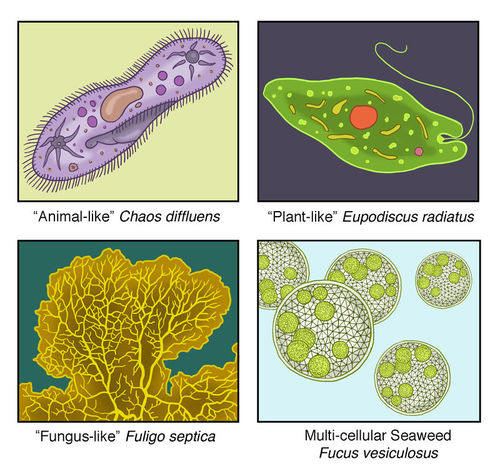
- Biotic factors include animals, plants, fungi, protists, and bacteria - all living things in the ecosystem.
- Abiotic factors include water, sunlight, temperature, soil, wind, and chemicals in the atmosphere (as well as other factors).

These abiotic factors aren't static either, they change over time. The earth is composed of many cycles and systems - carbon cycle, water cycle, weather systems, rock cycle, etc - and is quite dynamic. More on the cycles in the coming weeks.
So we have these different levels of organization, both biotic and abiotic factors, and what we are really looking at are all the relationships that are going on. That's what ecology is really about: interaction.
Readings and Other Resources
Since each of the texts approach ecology in different orders, I have simply divided up the ecology sections into three weeks of reading. The order in which your text covers these topics will be slightly different, but by the end we will have all covered the same things.|
13 Ecology I
|
RSO Ch. 24 The
Biosphere
|
LOE ch 37-38
|
CK12 BC 6.1-6.10
|
Ck12 LSC 12.1-12.11
|
Biological Levels: The World Tour -
transition, Amoeba Sisters covers levels of biological organization
Introduction to Ecology - Teacher's
Pet overviews the definition of ecology and important terms of the levels of
study in ecology
Ecology - Rules for Living on Earth -
CrashCourse covers what ecology is and the levels of study in ecology
|
End of the year is approaching quickly - don't forget all the things for Biology class:
- Readings and videos for this week
- Battle of the Beaks lab due this Thursday
- Bring your vocabulary list to class and choose which sticker you would like this Thursday
- Monster Book Discussion and Movie on this Saturday the 30th and my house